User Experience & User Interface Design
UX/UI design is the discipline of creating digital products that are both visually appealing and effortlessly functional. In a saturated software market, user experience is often the primary differentiator between a successful application and a failed one. Freelance designers help companies reduce user friction, increase retention, and build brand loyalty through thoughtful interfaces.
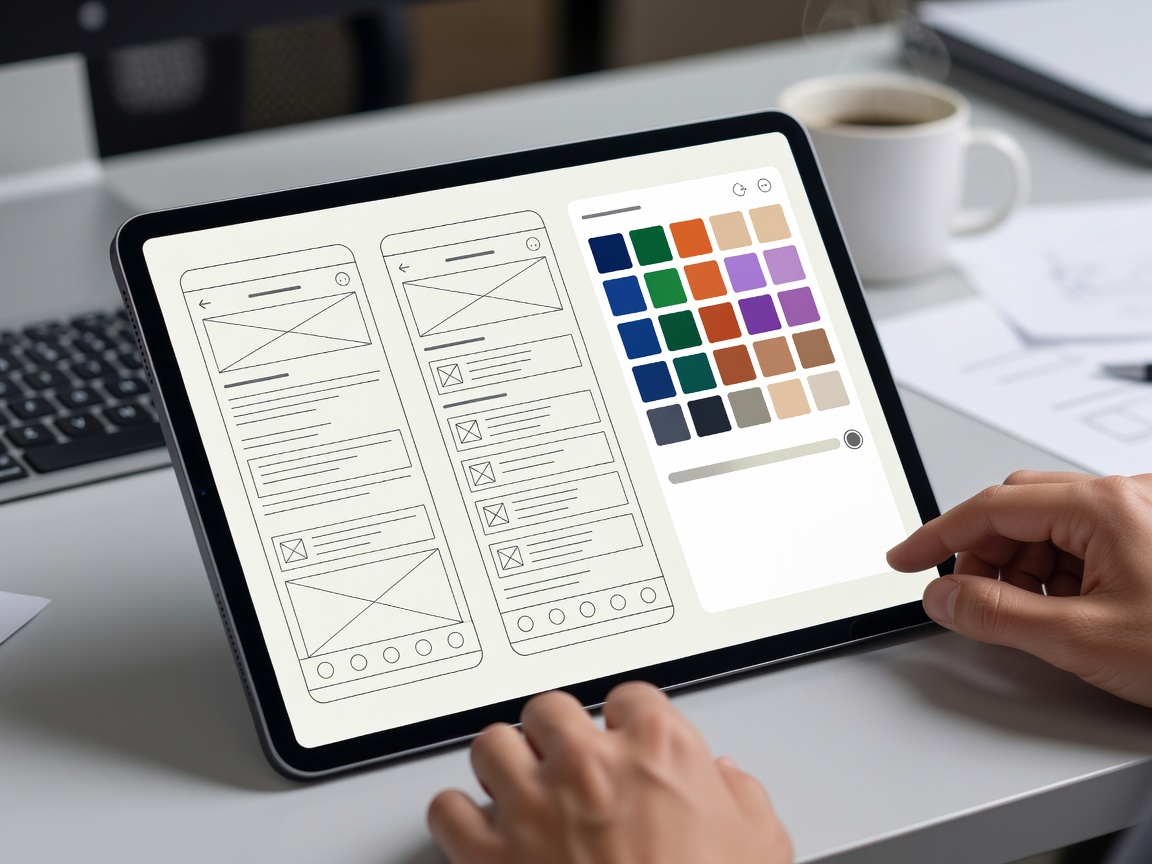
Understanding the Two Disciplines
Though frequently bundled together, UX and UI represent two distinct phases of the design process:
- User Experience (UX): The analytical, structural side. This involves user research, creating personas, building wireframes, and mapping out user flows. The goal is to solve the user's problem logically.
- User Interface (UI): The visual, aesthetic side. This involves typography, color theory, spacing, and interactive elements. The goal is to make the structural solution visually intuitive and beautiful.
Industry Pricing & Income Potential
Designers usually bill by the project or via day rates. High-end designers often transition into consulting, advising companies on overarching design systems and brand identity.
| Experience Level | Typical Pricing Model | Estimated Project Rate (App/Website) |
|---|---|---|
| Junior Designer | Hourly or Fixed | $1,500 - $3,000 per project |
| Mid-Level Designer | Fixed Fee | $4,000 - $10,000 per project |
| Senior UX Consultant | Day Rate / Retainer | $12,000+ per project or $800+/day |
Pros and Cons of Freelance Design
The Advantages
Design is a highly visible skill; a strong portfolio speaks for itself, reducing the need for aggressive, sales-heavy pitching. Clients can immediately see the quality of your work. It is also an incredibly creative field that blends artistic expression with psychological problem-solving, making it deeply fulfilling for those who enjoy visual systems.
The Drawbacks
Design is subjective. Freelancers often face frustrating feedback loops where clients request changes based on personal preference rather than user data, leading to excessive revisions. To succeed, a freelance designer must also be an excellent communicator, capable of defending design choices objectively and managing client expectations gracefully.
How to Get Started
Begin by mastering industry-standard tools, most notably Figma. Familiarize yourself with fundamental design principles: alignment, contrast, hierarchy, and whitespace. Rather than waiting for clients, build a speculative portfolio by redesigning popular apps or websites, clearly documenting your thought process, the problems you identified, and how your design solves them. Share these case studies on platforms like Behance and Dribbble to attract inbound client interest.